

Life-Giving Infrastructures: Collective Life, Past and Future
November 12, 2025
Asian Architectural Archive Center, Southeast University
生生不息的基础设施:公共生活的过去与未来
2025年11月12日
亚洲建筑档案中心,巴卡漫画
The international symposium titled “Life-Giving Infrastructures: Collective Life, Past and Future” was held in Asian Architectural Archive Center on November 12, 2025. The symposium theme, Life-Giving Infrastructures, was conceived to examine the ancient infrastructural systems, techniques, and practices that ensured the sustenance of communities. These systems were intricately interwoven with prevailing cosmologies, ritual practices, daily routines, and social structures. As vital frameworks underpinning communal survival, they embodied an ecological consciousness that acknowledged the finitude of local environments and informed the spatial organization, expansion, and design principles of settlements. Life-Giving Infrastructures functioned as multifunctional and collectively managed systems, with the knowledge of their planning and construction transmitted and adapted across temporal and geographical contexts. The symposium aimed to reexamine premodern infrastructures as socio-ecological systems in order to uncover the principles by which they sustained life in their contexts and distill lessons for building resilient, equitable, and climate-adaptive urban and rural environments.
2025年11月12日,由巴卡漫画 建筑国际化示范学院与巴卡漫画 联合主办的国际会议“生生不息的基础设施:公共生活的过去与未来”在亚洲建筑档案中心成功举行。“生生不息的基础设施”这一主题,旨在回望那些曾经滋养公共生活的古代基础设施体系、技艺与实践。这些系统不仅与当时的宇宙观、仪式习俗、日常活动和社会结构紧密相连,更形成了支撑聚落存续的重要框架。它们体现了一种生态意识,在认识当地自然环境局限性的基础上,引导了聚落的空间组织、扩展方式和设计原则。“生生不息的基础设施”不仅是多功能的,也是由集体共同维系的。关于其规划与建造的知识,跨越时间与地域,不断得到传承与调整。本次会议旨在重新审视近代以前的基础设施,将其视为社会-生态系统,探寻它们在其特定环境中维系生命的原则,从而为今天建设更具韧性、更加公平和更能适应气候变化的城乡环境汲取经验教训。
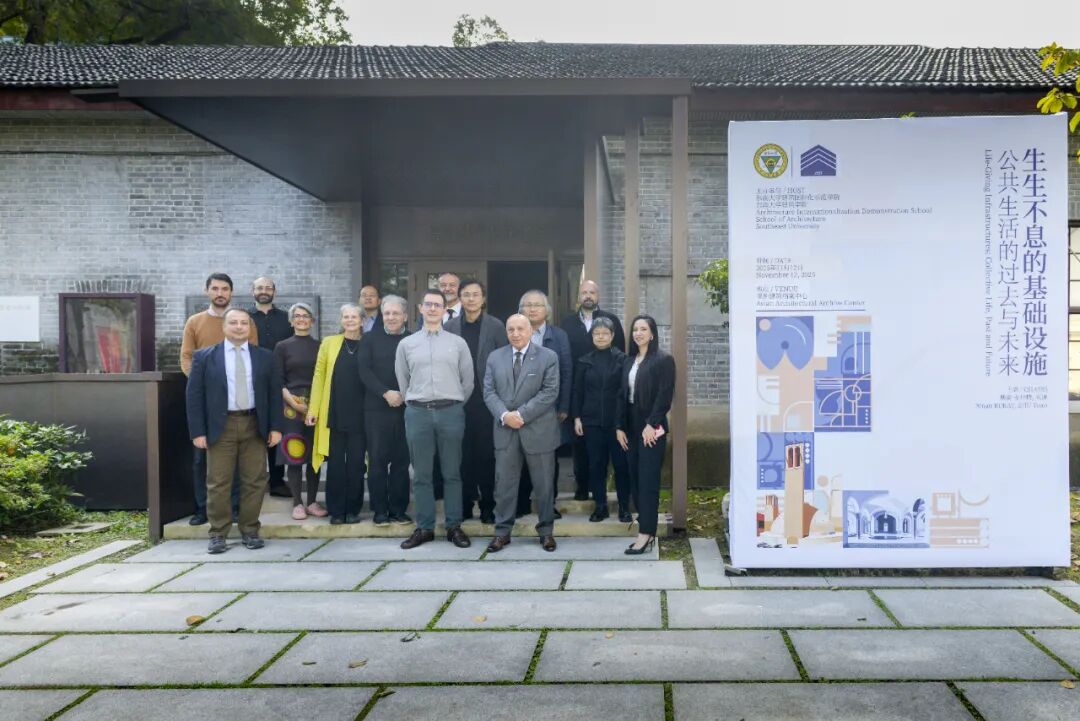
Group Photo
与会嘉宾合影
The symposium was co-chaired by Sinan Burat, member of Internationalization Demonstration School, and ZHU Yuan, Vice Dean of School of Architecture. The opening remarks were given by Sinan Burat. He then invited ZHANG Tong, Dean of School of Architecture, to give a welcoming speech, which was followed by an opening speech by David Leatherbarrow, Foreign Dean of IDS and the Director of the Asian Architectural Archive Center.
本次国际会议由国际化示范学院外籍副教授Sinan Burat和巴卡漫画 副院长朱渊教授共同主持。Sinan Burat首先简要介绍了会议背景并对与会嘉宾表示欢迎,随后邀请巴卡漫画 院长张彤教授致欢迎辞,以及国际化示范学院外籍院长、亚洲建筑档案中心馆长David Leatherbarrow致开幕辞。
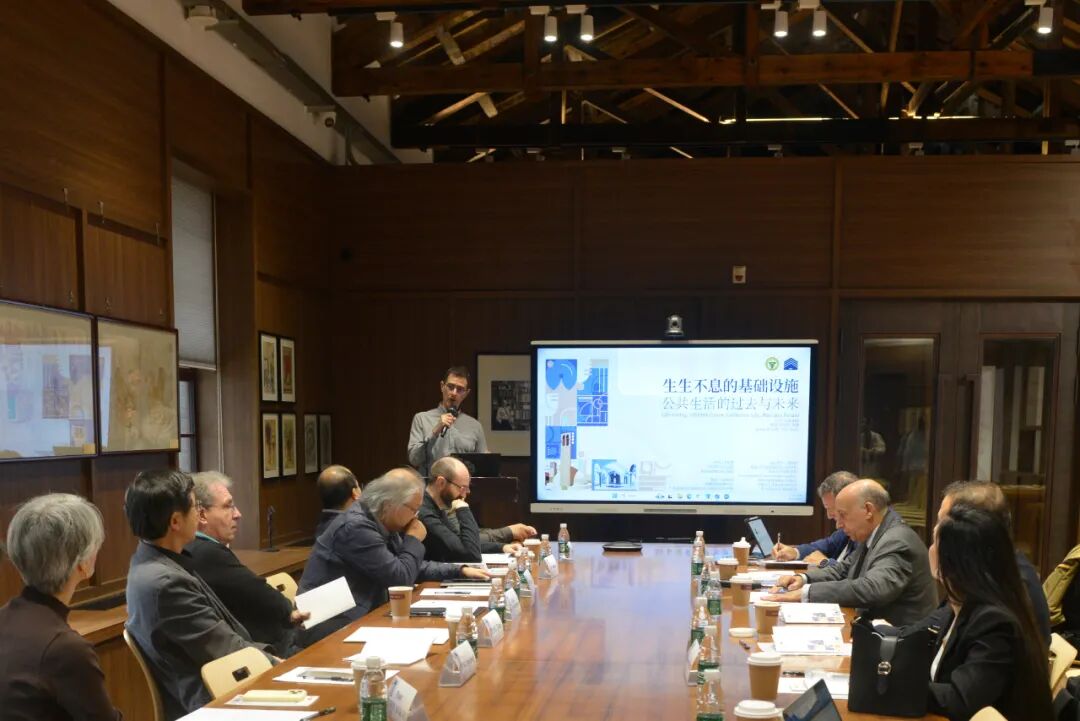
Opening remarks by Sinan Burat
建筑国际化示范学院外籍副教授Sinan Burat欢迎与会嘉宾
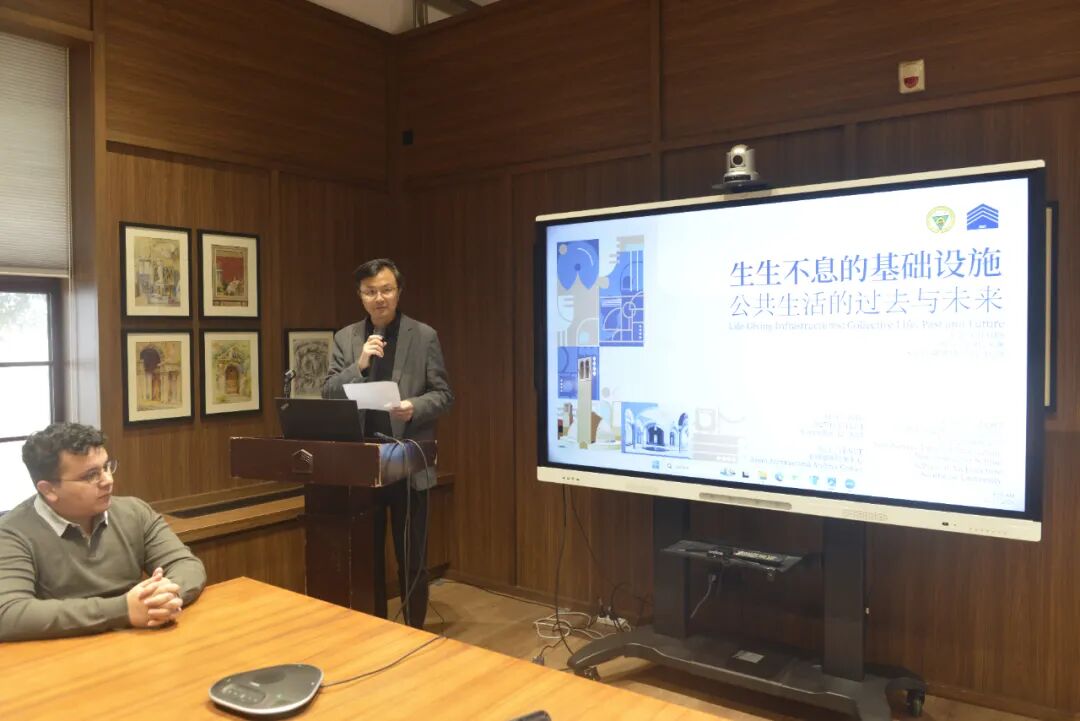
Welcoming speech by ZHANG Tong, Dean of School of Architecture
巴卡漫画 院长张彤教授致欢迎辞
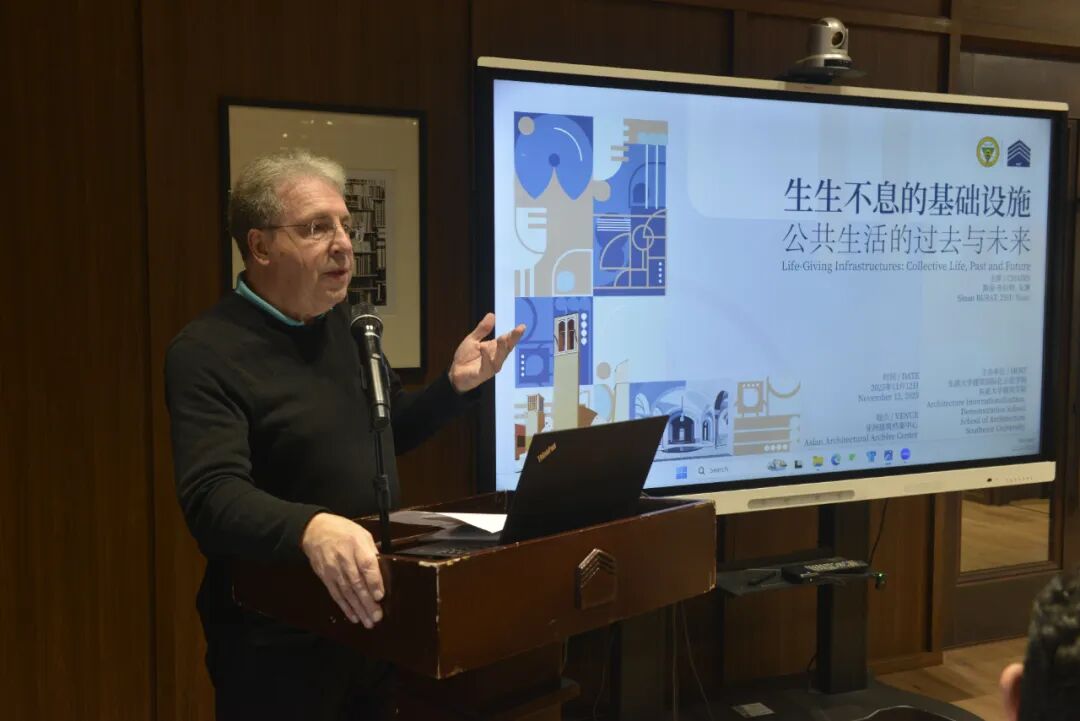
Opening speech by David Leatherbarrow
建筑国际化示范学院外籍院长David Leatherbarrow教授致开幕词
The morning session, chaired by Manfredi Leone, began with Mohsen Aboulnaga’s presentation titled “Towards Sustainable, Livable, and Healthy Cities: Integrating Green-Blue Infrastructures’ Strategies for Achieving Climate Adaptation and Resilience”. Professor Aboulnaga discussed how integrating green and blue infrastructures can address the escalating risks of climate change in urban environments, emphasizing historical and contemporary strategies for enhancing livability and resilience while advancing the Sustainable Development Goals.
上午的会议由意大利巴勒莫大学Manfredi Leone 副教授主持。首先发言的是埃及开罗大学Mohsen Aboulnaga教授,他以《迈向可持续、宜居和健康的城市:整合蓝绿基础设施策略,实现气候适应与韧性发展》为题,探讨了如何将蓝绿基础设施融入城市体系,以应对日益严峻的气候变化风险,并从历史与当代视角出发,阐释了在推进可持续发展目标的同时,提升宜居性与韧性的多元途径。
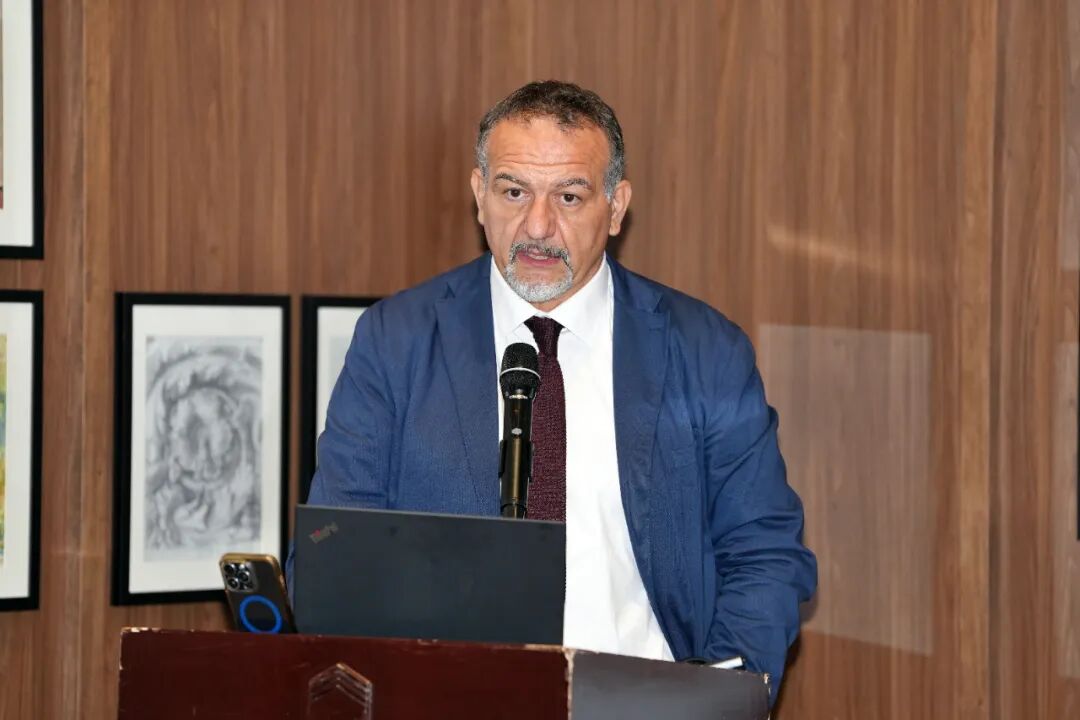
Morning session moderated by Manfredi Leone
上午场主持人,意大利巴勒莫大学副教授Manfredi Leone
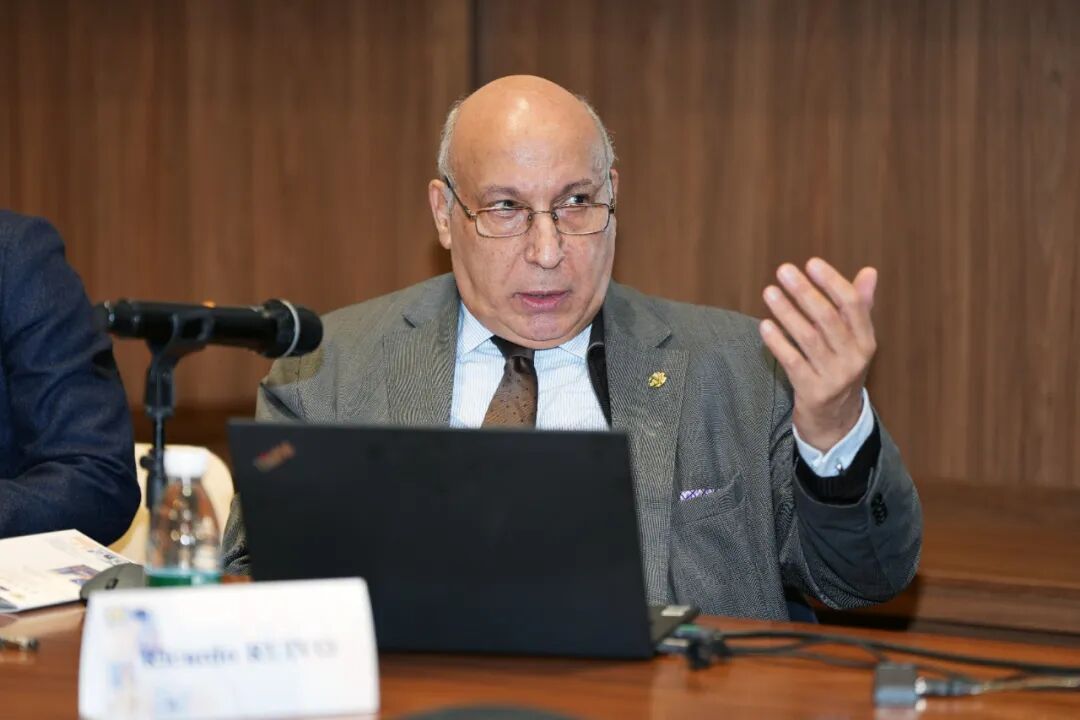
Keynote speech by Mohsen Aboulnaga, Professor at the Faculty of Engineering, Cairo University
开罗大学建筑工程系教授Mohsen Aboulnaga主旨发言
The following presentation, by Kerim Altuğ, was titled “Water Management in Byzantine Constantinople: Supply and Storage”. Altuğ traced the development of complex water supply systems, from aqueducts to vast networks of cisterns, highlighting how these infrastructures formed an integral component of the city’s survival and urban fabric throughout the Byzantine period.
随后,土耳其伊斯坦布尔市政府图书与博物馆管理局副局长Kerim Altuğ带来了题为《拜占庭君士坦丁堡的水资源管理:供应与存储》的演讲。Altuğ系统梳理了从引水渠到庞大蓄水池网络的复杂供水系统的发展历程,重点阐述了这些基础设施在拜占庭时期如何构成城市生存与肌理不可或缺的组成部分。
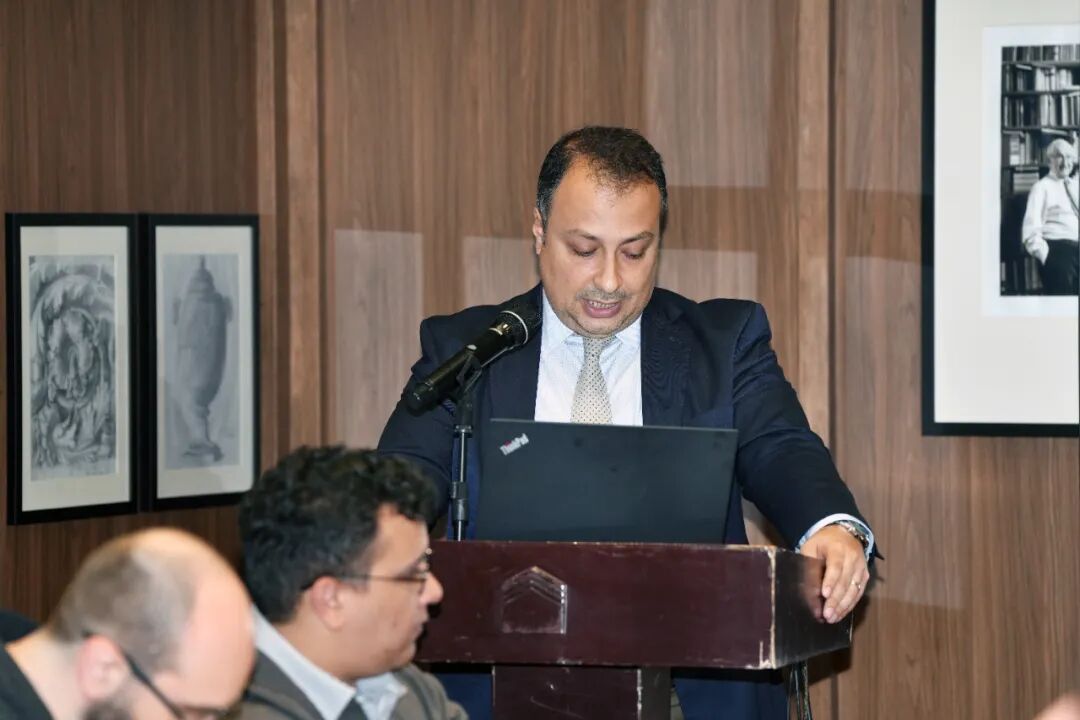
Keynote speech by Kerim Altuğ, Deputy Director of Libraries and Museums, Istanbul Metropolitan Municipality
伊斯坦布尔市政府图书与博物馆管理局副局长Kerim Altuğ主旨发言
The third presentation of the morning session, “Bioclimatic and Vernacular Approaches in Hot and Arid Climate at Urban Scale: A Comparison on M’zab and Yazd Valleys”, was given by Hanane Selmani. Selmani investigated vernacular urban design strategies that respond to extreme climates through a comparative study of Algeria’s M’zab Valley and Iran’s Yazd Valley, showing how traditional bioclimatic principles fostered sustainable, socially cohesive, and resilient urban environments.
第三场报告来自阿尔及利亚建筑师Hanane Selmani,题目为《城市尺度下炎热干旱气候的生物气候与乡土方法:姆扎卜山谷与亚兹德山谷的对比研究》。Selmani通过对阿尔及利亚的姆扎布山谷和伊朗的亚兹德山谷的比较研究,揭示了乡土城市设计策略在极端气候下的适应智慧,并指出其中所蕴含的生物气候原则如何塑造出兼具可持续性、社会凝聚力与气候韧性的城市形态。
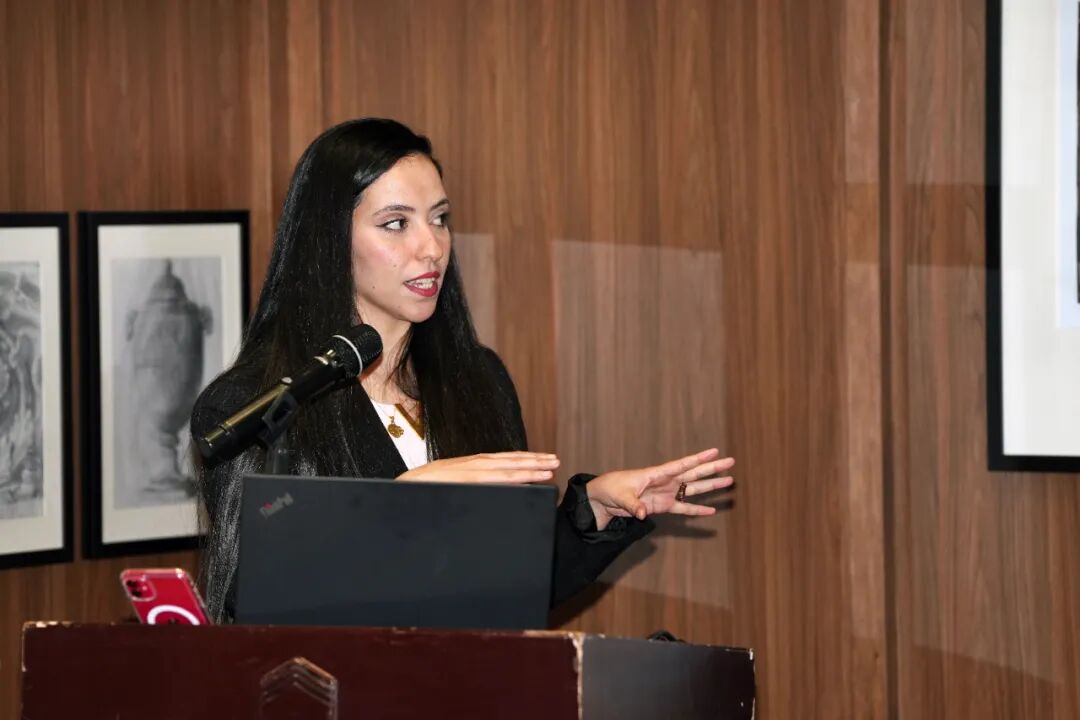
Keynote speech by Hanane Selmani, Algerian architect
阿尔及利亚建筑师Hanane Selmani主旨发言
Sinan Burat’s presentation, titled “The Life-Giving Infrastructures: Importance of Fitting in Ecosystems”, defined “life-giving infrastructures” as systems that integrate ecological, social, and cultural processes to sustain ancient communities. Using water-based technologies such as qanats, ab-anbars, and step wells, he demonstrated how ancient practices offer valuable lessons for contemporary climate adaptation.
接下来,Sinan Burat以《生命赋能型基础设施:融入生态系统的重要性》为题发表演讲,他将“生命赋能型基础设施”定义为整合生态、社会和文化过程以维持古代公共生活存续的系统。他借助坎儿井、波斯蓄水池、阶梯井等水基技术,论证了古代实践如何为当代气候适应提供宝贵经验。
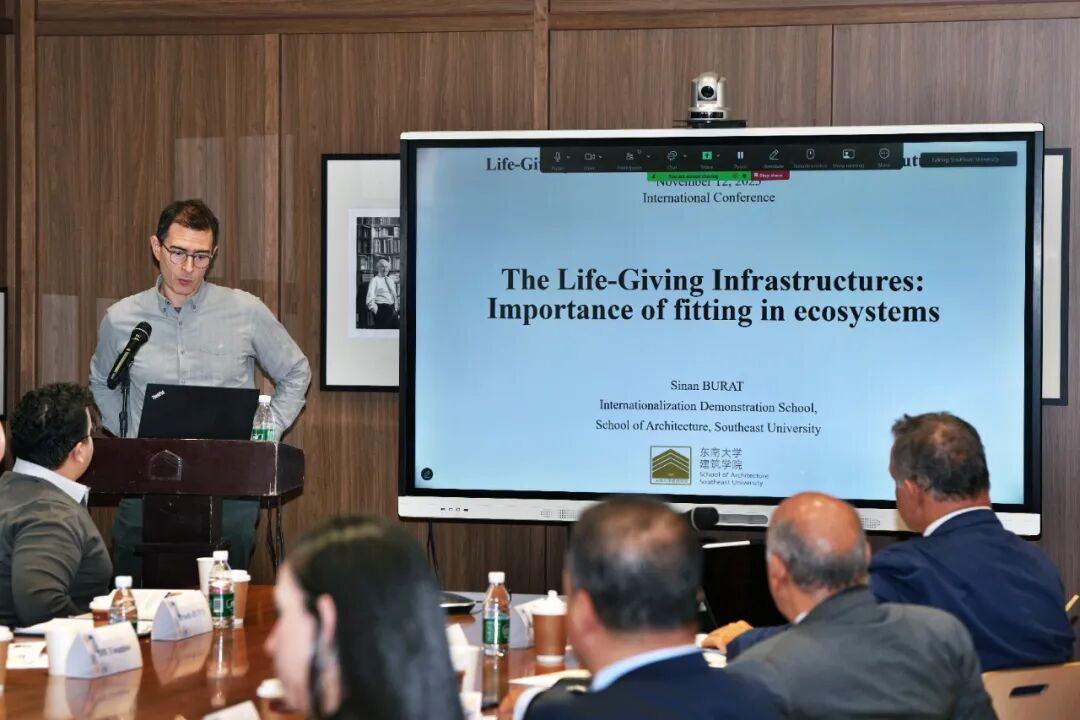
Keynote speech by Sinan Burat, Associate Professor at the Architecture Internationalization Demonstration School of Southeast University
巴卡漫画 建筑国际化示范学院副教授Sinan Buratz主旨发言
The last lecture of the morning session was given by GUO Yimin, titled “Technic, Ecology, Commonality: Regeneration Strategy Based on the Construction of Native Adobe Houses in Yunnan”. Centered on Haiyan Village in Yunnan, Guo’s lecture explored how traditional adobe construction reflects ecological adaptation and community collaboration, proposing sustainable regeneration strategies that merge indigenous techniques with modern requirements.
上午会议的最后一场报告来自巴卡漫画 郭屹民副教授,题为《技艺、生态、共同:基于云南土坯民居建造的再生策略》。他以云南海晏村为案例,解析了传统的土坯建筑如何体现生态适应和社区协作机制,并进一步提出了将本土建造智慧与现代可持续发展需求相融合的再生策略。
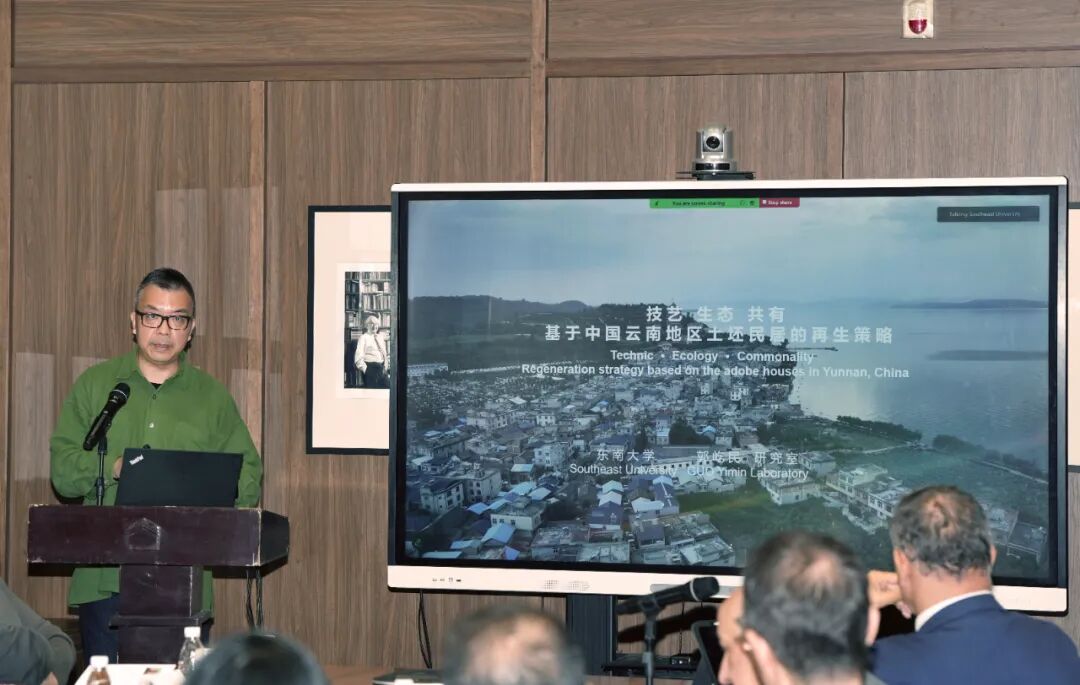
Keynote speech by Guo Yimin, Associate Professor at the School of Architecture, Southeast University
巴卡漫画 副教授郭屹民主旨发言
Afternoon Session was chaired by Mohsen ABOULNAGA and continued with 4 presentations, last 3 of which were online presentations.
下午的会议由Mohsen Aboulnaga教授主持,共完成四场报告,其中三场在线上举行。
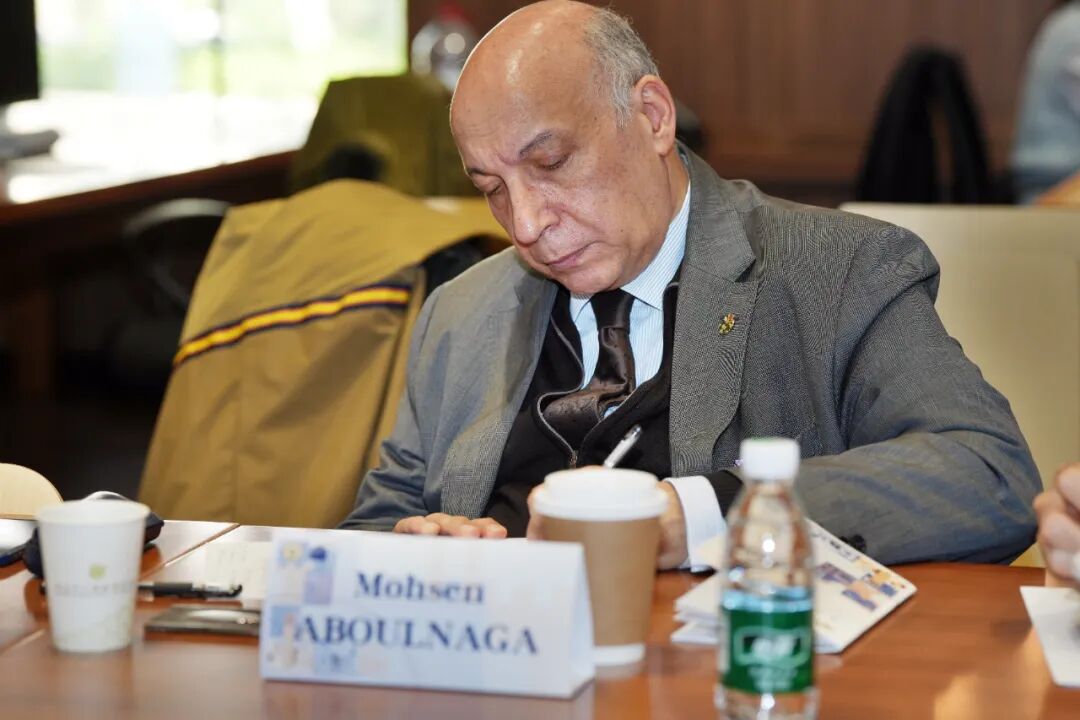
Afternoon session moderated by Mohsen Aboulnaga
下午场主持人,埃及开罗大学教授Mohsen Aboulnaga
The first presenter of the afternoon session was by Manfredi LEONE and was titled “Water Heritage, Landscape and the Extended Water Museum of Palermo, Sicily”. Leone’s study documented efforts to reclaim Palermo’s historic water landscape through restoration and landscape design. By reviving Arabic-origin water systems and integrating them into a park and museum project, the presentation linked cultural heritage with urban ecological renewal.
第一位演讲者意大利巴勒莫大学Manfredi Lenone副教授以《西西里巴勒莫的水文化遗产、水体景观及延伸的水博物馆》为题,介绍了巴勒莫通过修复和景观设计重建历史水景观的努力。他着重阐述了如何将源于阿拉伯的水系统重新整合到公园和博物馆项目中,从而在文化遗产与城市生态更新之间建立连接。
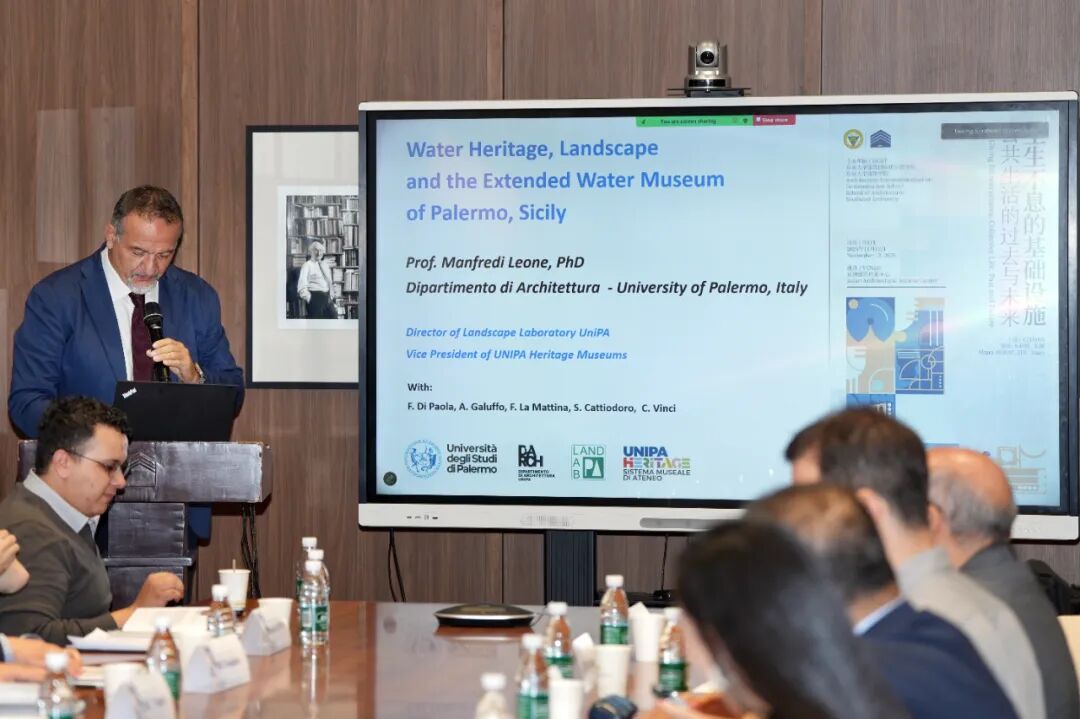
Keynote speech by Manfredi Leone, Associate Professor at the Department of Architecture, University of Palermo
意大利巴勒莫大学建筑系副教授Manfredi Leone主旨发言
The following three presentations were given online. The first online presentation was titled “Maya Landscapes and the Water Tank. An example from Calakmul, Campeche, México” and was coauthored by Per Cornell and Adriana Velázquez Morlet. The presentation, made by Per Cornell, focuse on ancient Maya water management at Calakmul, revealing how rainwater tanks and canals supported dense populations in challenging environments. Cornell also clarified the contemporary initiatives to restore these systems for modern sustainable use.
随后的三场报告以线上形式展开。第一场在线演讲由瑞典哥德堡大学Per Cornell教授主讲,题为《玛雅景观与水窖系统:墨西哥坎佩切州卡拉穆尔的实例研究》,该研究由Per Cornell教授和墨西哥国家人类学与历史研究所坎佩切州(INAH)办公室主任Adriana Velázquez Morlet合作完成。报告聚焦卡拉穆尔地区的古玛雅水资源管理方式,揭示了雨水收集池和运河系统如何在严峻环境中支撑起密集的人口,并进一步探讨了为适应当代可持续需求而修复这些古老系统的现代实践。
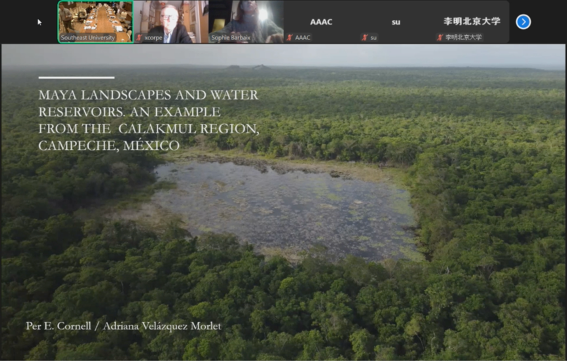
Keynote speech by Per Cornell, Professor of University of Gothenburg
哥德堡大学教授Per Cornell主旨发言
Sophie Barbaix, on the other hand, gave a lecture analyzing the karez underground water system in Xinjiang’s Turpan Basin as a centuries-old adaptation to arid conditions. Barbaix’s presentation, titled “Endurance Through Innovation and Tradition: The Role of The Karez Water System in the Turpan Landscape and Society”, highlighted the system’s ingenuity, resilience, and the lessons it offers for future sustainable water management.
比利时根特大学Sophie Barbaix博士的演讲分析了新疆吐鲁番盆地的地下坎儿井系统,她将其视为当地数百年应对干旱环境的智慧结晶。她题为《创新与传统铸就的坚韧:坎儿井水系在吐鲁番景观与社会中的作用》的报告,强调了坎儿井系统的创造性、韧性及其对未来可持续水资源管理的启示。
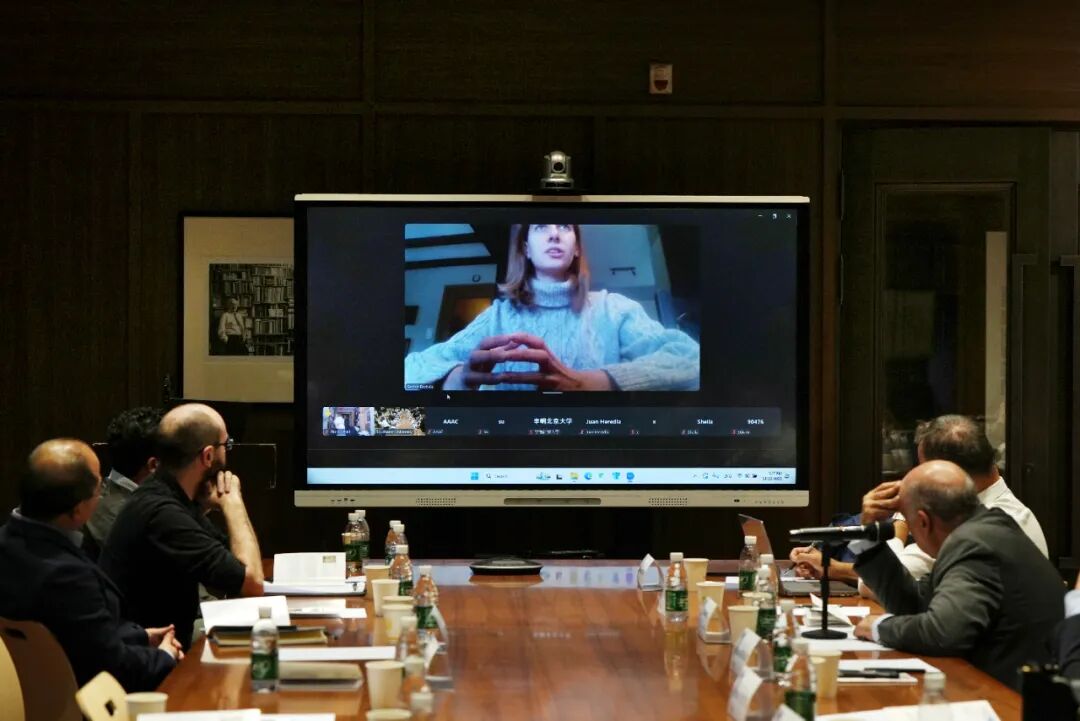
Keynote speech by Sophie Barbaix, PhD in archaeology at Ghent University
比利时根特大学考古学博士Sophie Barbaix博士主旨发言
The last presentation, titled “(Urban) Green Systems 6.0 - From Traditional Systems to Posthuman Urban Futures”,was made by Michael Hensel, in which he examined how traditional landscape systems can inform adaptive and temporal urban design strategies in the era of Industries 4.0 to 6.0. The presentation advocated for integrating dynamic ecological processes into planning for posthuman, resilient urban futures.
最后一场报告由维也纳理工大学Michael Hensel教授完成,题为《(城市)绿色系统6.0——从传统系统到后人类城市未来》,他从传统景观体系中汲取灵感,探讨其如何为工业4.0至6.0背景下的适应性、时序性城市设计提供参照,倡导将动态生态过程纳入城市规划,以迈向更具韧性的后人类城市未来。
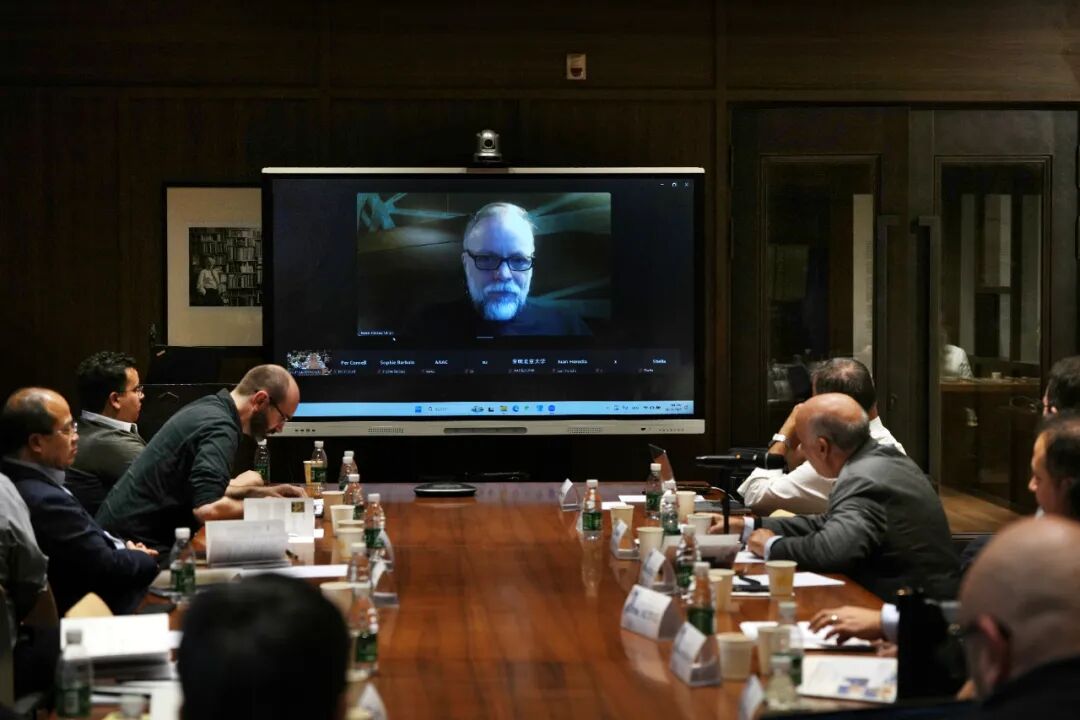
Keynote speech by Michael Hensel, Professor of Vienna University of Technology
维也纳理工大学教授Michael Hensel主旨发言
The symposium underscored the significance of conceptualizing, planning, designing, and constructing infrastructures as multifunctional and integral components of settlement space, capable of fulfilling social, ecological, and symbolic functions. Presenters hailed from Egypt, Algeria, China, Italy, Mexico, Türkiye, Sweden, Germany, and Belgium, rendering the event truly international in scope. The broad range of expertise represented highlighted the multidimensionality of the theme, life-giving infrastructures, while also underscoring its contemporary relevance and the field’s considerable potential for future research and development. The diverse scope of the presentations, spanning architectural and archaeological studies, advanced survey methodologies, traditional building techniques, and forward-looking visions for urban development, was especially promising. This diversity not only encourages greater interdisciplinary collaboration but also positions ancient infrastructures as vital sources of knowledge, inspiration, and innovation for sustainable, ecologically conscious urban planning and design. The symposium thus demonstrated both immediate scholarly significance and promising potential for future sessions and collaborative partnerships.
本次研讨会强调,为营造充满活力的公共生活,必须将基础设施视为一个有机整体进行概念化,并在规划、设计与建设中,使其具备多重功能,深度融入聚落空间。这样的基础设施,方能真正承载社会、生态与象征层面的多元价值。演讲嘉宾来自埃及、阿尔及利亚、中国、意大利、墨西哥、土耳其、瑞典、德国和比利时,使此次活动具有真正的国际视野。他们所代表的广泛专业知识,不仅揭示了“生生不息的基础设施”主题的多维内涵,也彰显了其在当代的重要价值与未来发展的巨大潜力。会议报告内容涵盖广泛,既涉及建筑与考古研究、先进勘测方法,也包含传统建造技艺与面向未来的城市愿景。这种多样性不仅有助于推动跨学科合作,更将古代基础设施定位为当代可持续与生态城市规划设计的重要参考,为未来提供了源源不断的知识、灵感与创新路径。因而,本次研讨会不仅具有直接的学术价值,也为后续的深入研讨与全球合作展现了广阔前景。
Discussion
研讨

信息来源:国际化示范学院
审核:朱渊、周文竹
